Thuja occ. 'Danica Aurea' - 25-30 CM C3
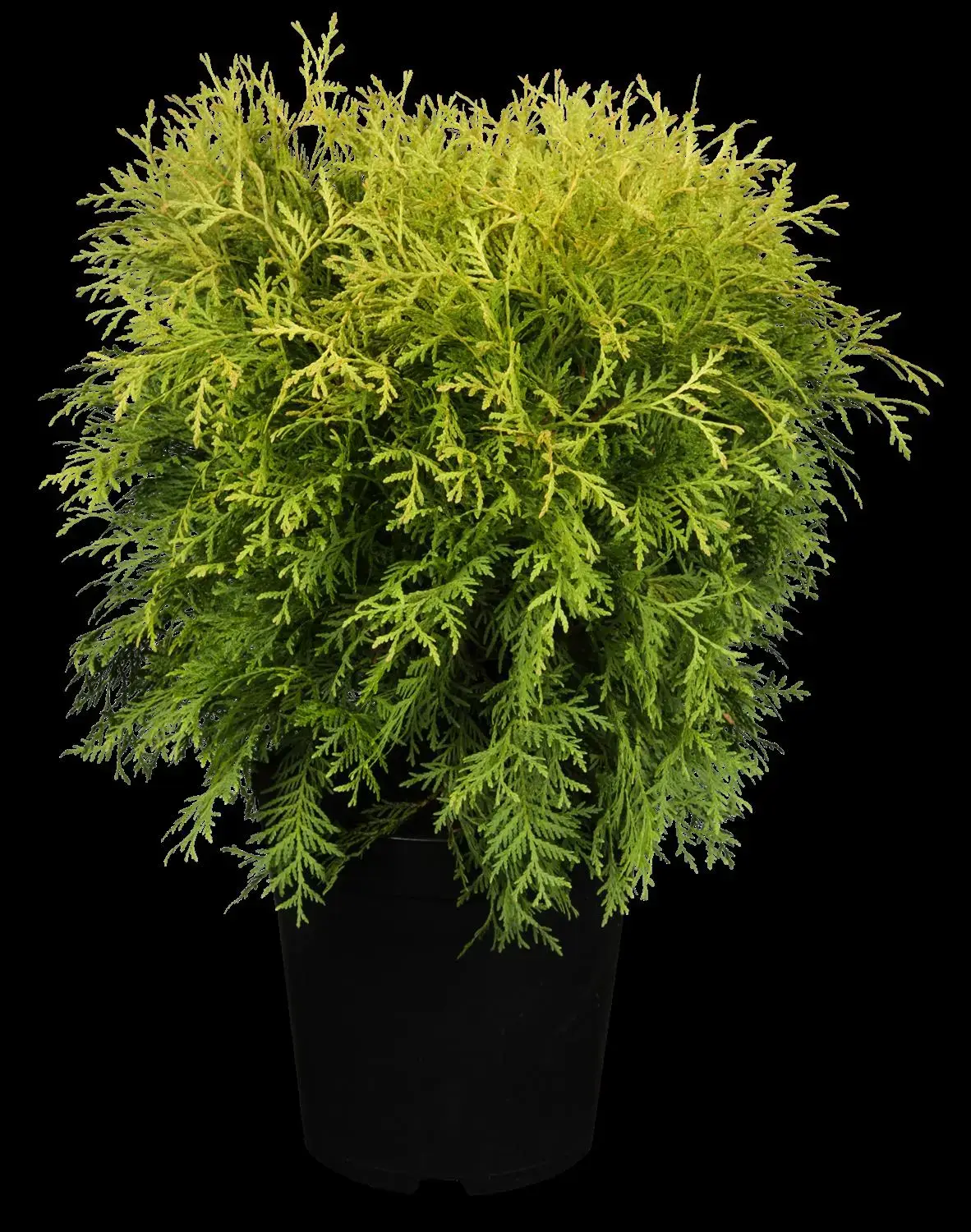
Thuja occ. 'Danica Aurea' - 25-30 CM C3
Description
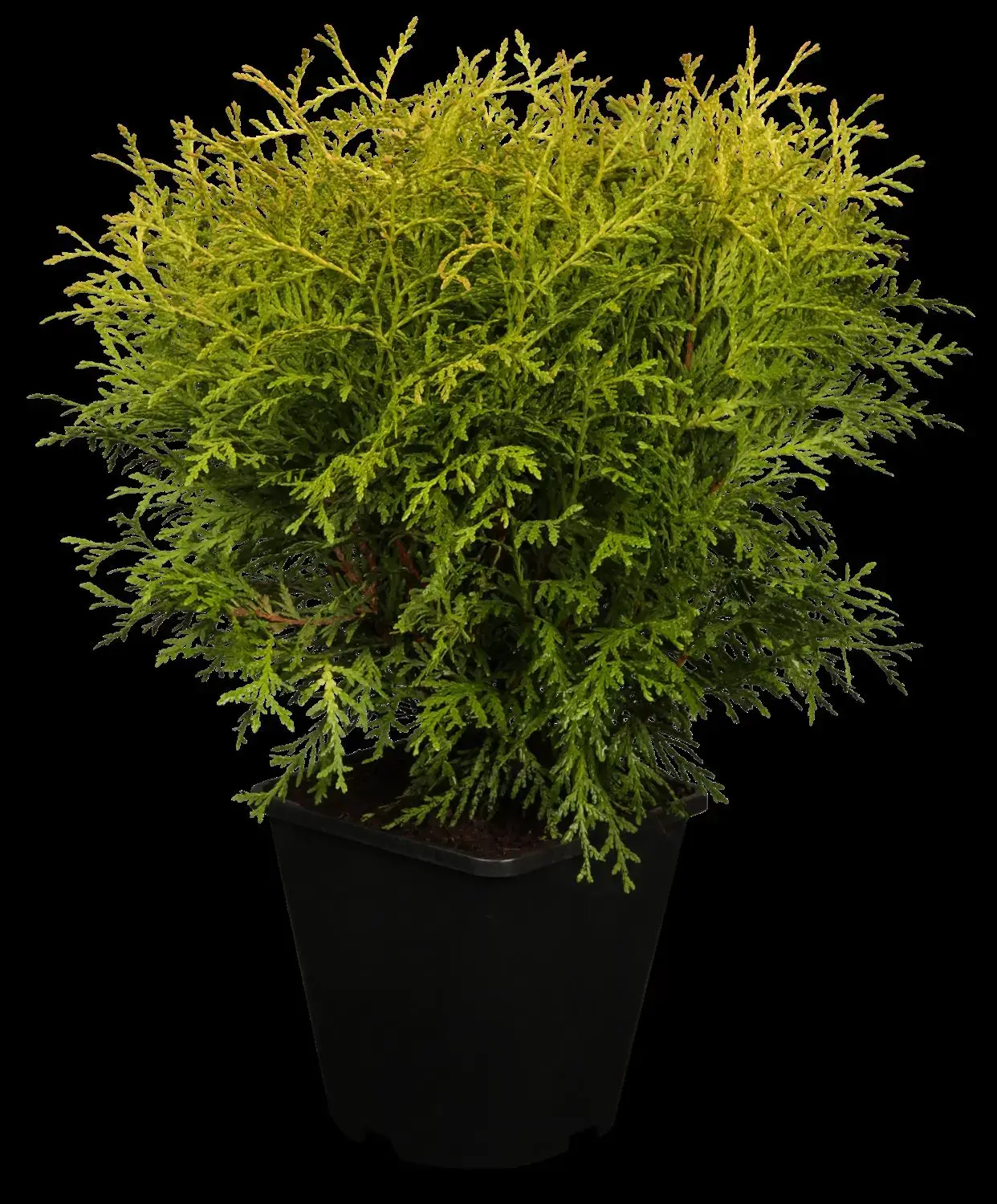
The White cedar 'Danica Aurea' (Thuja occidentalis) is a tree that grows in a spherical shape and usually reaches a height of approximately 60 cm and a width of approximately 60 cm. Its leaves are dark green in colour. In winter, they turn a beautiful bronze. Decorative brown cones adorn Thuja occidentalis 'Danica Aurea' from October onwards. This tree is highly frost-hardy. It prefers calcareous, nutrient-rich, sandy, loamy soil in a sunny to semi-shaded position.
Bulletpoints
* tolerates pruning
* yellow new growth
* low-maintenance
* suitable for urban environments, wind-resistant
Leaves
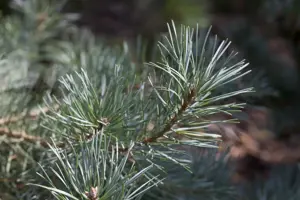
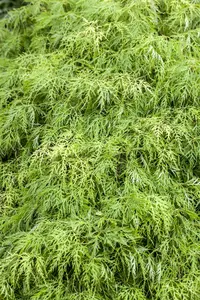
The White cedar 'Danica Aurea' is evergreen. Its needles are dark green. It has yellow new growth. With its bronze-coloured foliage, it adds a lovely touch in winter.
Bark
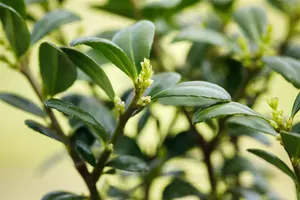
Red-brown, striped, torn bark makes this plant an eye-catcher in any garden.
Spread
North America.
Frost hardiness
The White cedar 'Danica Aurea' has good frost hardiness.
Growth
White cedar 'Danica Aurea' is a tree that grows in a spherical shape. It usually reaches a height of 40–60 cm and spreads to a width of approx. 40–60 cm.
Water
The plant has a medium water requirement.
Pruning
Pruning, ideally from the end of June to July, is advisable for this plant.
Location
Preferred location in a sunny to semi-shady position.
Soil
Normal soil.
Planting time
Container plants can be planted all year round, except when the ground is frozen and in summer heat (over 30°C).
Tasks
- Pruning: In the period from the end of June to July
- Fertilise: In the period from March to April
- Watering: In the period from May to September.
Care
- A slow-release fertiliser can be used in spring. This releases the nutrients slowly and continuously so that the plant is evenly supplied over a longer period of time.
- Watering less frequently, but thoroughly and thoroughly, encourages the plant roots to penetrate deeper into the soil. This enables the plant to survive dry periods better.
Fruit
The cones of Thuja occidentalis 'Danica Aurea' appear from October. The young cones have a greenish-yellow colour.
Interesting facts
Plant or parts of the plant are poisonous.
Use
Solitary, group planting, topiary
Root
Thuja occidentalis 'Danica Aurea' is a shallow-rooted or heart-rooted tree and, depending on the soil, forms finely branched roots close to the surface.
- Article number602
-
EAN codeTHUODAUR-2025030C3
- Latin nameThuja occ. 'Danica Aurea'
- catalogLandscape shop